
Summer Travel Without the Stress: Setting pets AND People Up for Success.
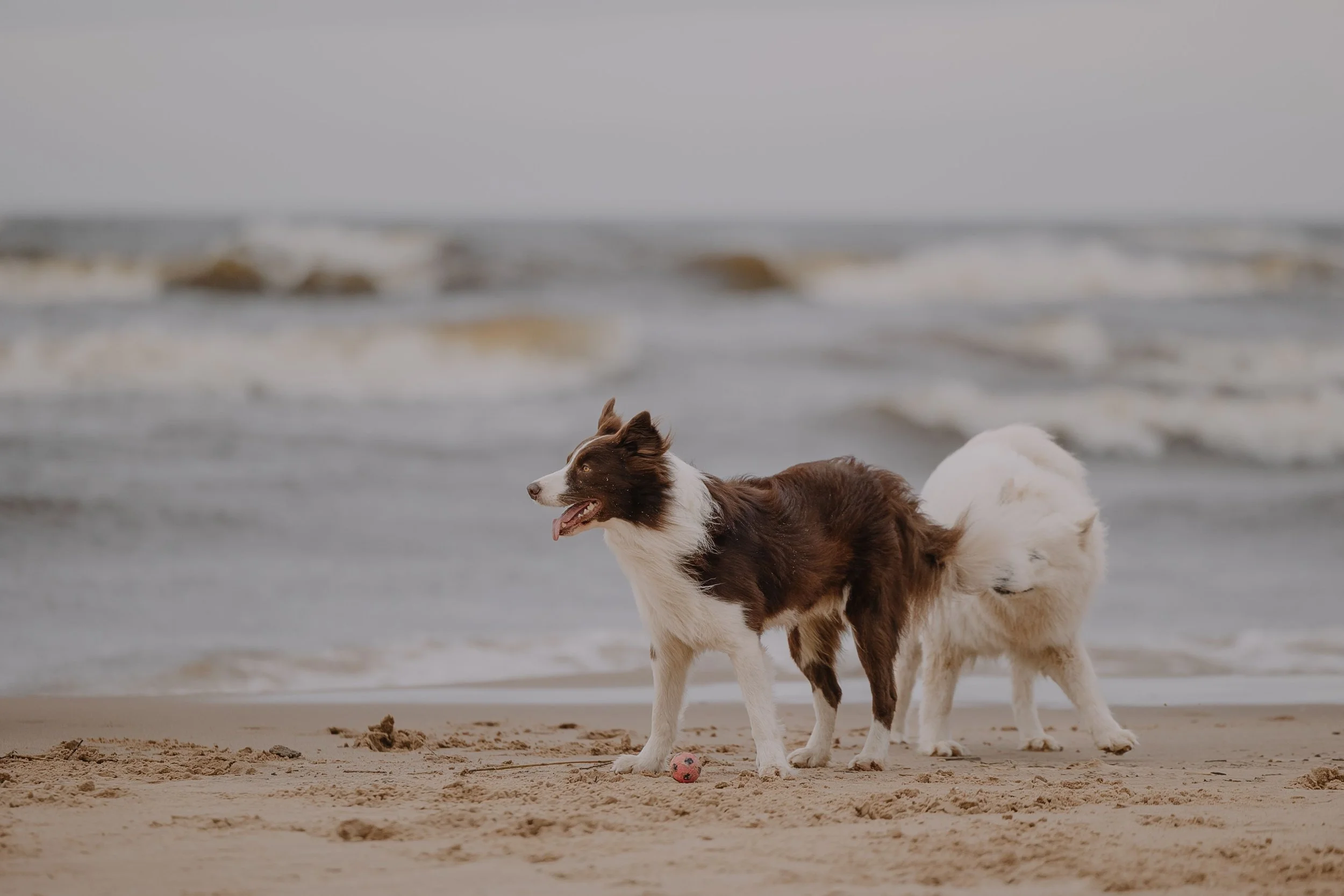
Photo by Elina Volkova
Camping. Long walks down idyllic country lanes. Refreshing swimming holes. Something about “long weekend” feels synonymous with “vacation.”
Whether it is a local jaunt or a campground several hours away, proper preparation is key to ensure that everyone can get the rest and recuperation that they need.
The first thing that is important to remember is that dogs and cats alike are individuals and each may adapt to new situations with varying degrees of ease. A cat or dog that is socialized to travel - car rides, kennels/crates, new people, smells and noises - will likely do a lot better than one who has had limited socialization. In many cases, the best option for a pet who is shy, fearful or reactive is to stay home with an experienced sitter who can maintain the feeding, exercise and play routines that make them feel safe and comfortable. (This is especially true for cats, who tend to be creatures of habit and will likely need to experience more prolonged confinement if traveling by car, train or airplane.) Know your pet and their “tells” - hiding, excessive shedding, panting, pacing, hypervigilance and irritable behavior can all indicate an increase in stress levels - so that you can quickly intervene before a situation escalates.
If staying home isn’t an option, try to keep to routines as much as possible. Do you always take a potty walk thirty minutes after a meal? Is there always a play session with a favorite toy before bed? Stick to the schedule to avoid stress caused by disruption, and try to bring beds, blankets and plushies that smell like home. Over the counter calming aids in the form of chews and sprays may also help, though depending on your pet’s temperament, your veterinarian may be able to prescribe something stronger. In fact, an anti-anxiety drug may be highly recommended if you anticipate loud, out-of-the-ordinary noises like fireworks. Be sure to meet with your vet and pick up the prescription well in advance of your trip so that you can gauge the effect (and potential side effects) of any medication ahead of time. Keep in mind that most calming aids and medications may not work if your pet is already anxious or activated, so be sure to time administration before the stressful event occurs.
Lastly, do your pet (and yourself) a favor and make sure you have a backup plan if things start to go sideways. Are there alternative accommodations nearby if a campground turns out to be less pet-friendly or more overstimulating than planned? Does the friend live near a pet store or have a spare room in case a crucial component (like food or crate) is forgotten? Most importantly, where is the closest 24-hour veterinary hospital if something unexpected and scary occurs? Be sure to have physical copies of your pet’s vaccination and medical history (or digital copies readily available) to make sure they get the treatment they need as quickly as possible, or to show airport or hotel staff. ALWAYS make sure your pet has an identification tag with your contact information in case they get lost.
What you can do at home
If you know that you want your pet to be a big part of your active lifestyle, introduce socialization training early to get them comfortable with a variety of noises, people and animals. Since some parks or campgrounds may require pets to be on-leash in designated areas, work to ensure that your pet has good manners on-leash in addition to excellent recall when off-leash - if your pet does not consistently come back when called, consider a longer (non-retractable) leash to give them range while simultaneously ensuring that they don’t wander out of sight and get lost. If you plan to bring your pet to the homes of family or friends, begin crate training as early as possible. The crate should be a portable “safe space” where your pet can retreat when they want a familiar, quiet environment away from the hullabaloo.
TL;DR
Know your pet! Undersocialized, shy or nervous pets are not usually good travel companions and will be happier staying home
Hiding, excessive shedding, panting, pacing, hypervigilance and irritability (growling, hissing, swatting, snapping) are all signs that your pet needs a break - consider taking them on a quiet walk, or bringing them to a crate, separate room or the car (if seasonally appropriate) to relax
When traveling, bring as many familiar things as possible (same food, bowls, toys, blankets, crates, litter) and try to stick to at-home feeding, play and bedtime schedules
Talk to your veterinarian well in advance of your trip to see if your pet may be a candidate for anti-anxiety medication or sedatives
Be prepared! Have all medical and vaccination records readily available, and make sure your pet has proper identification